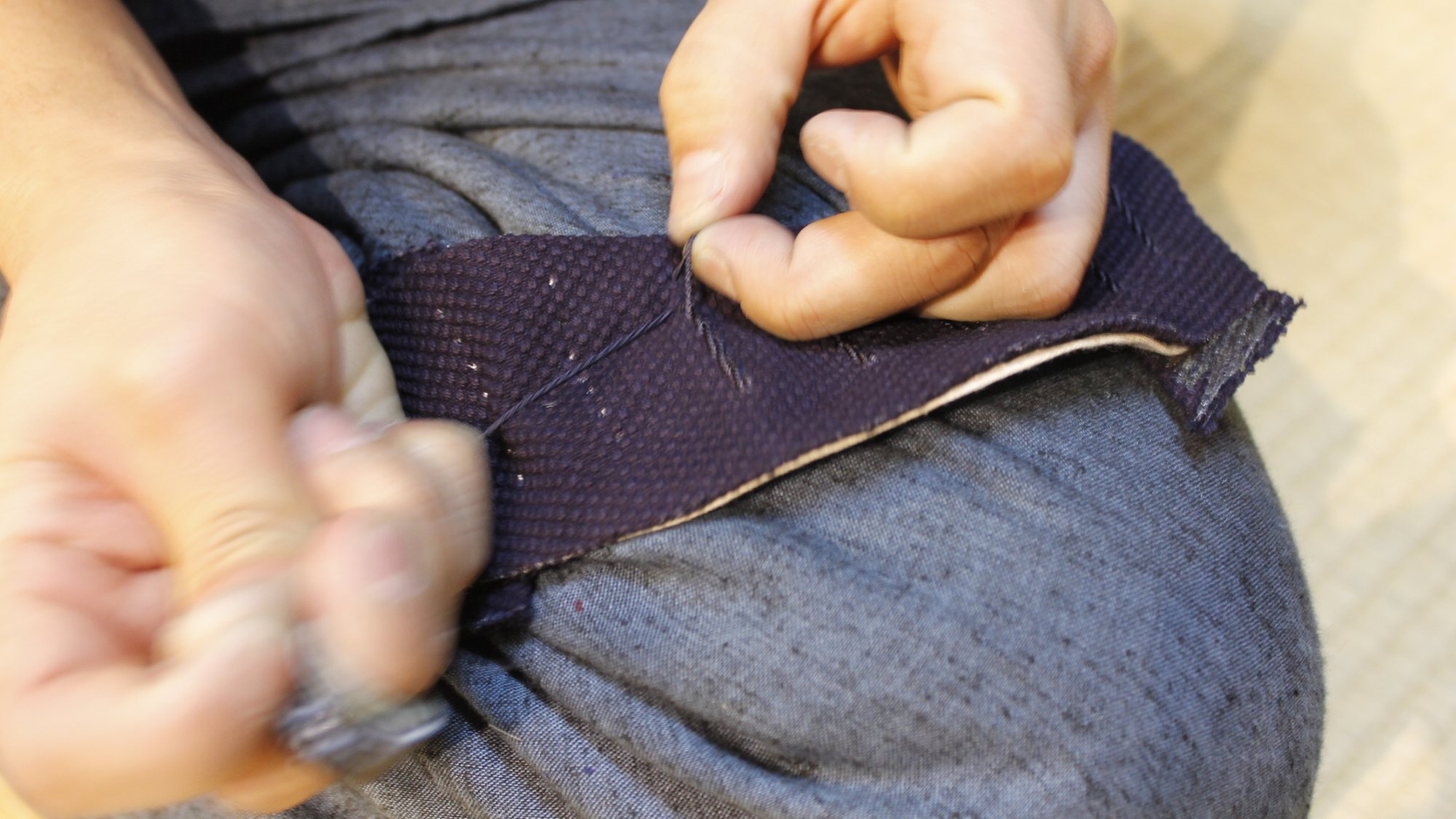
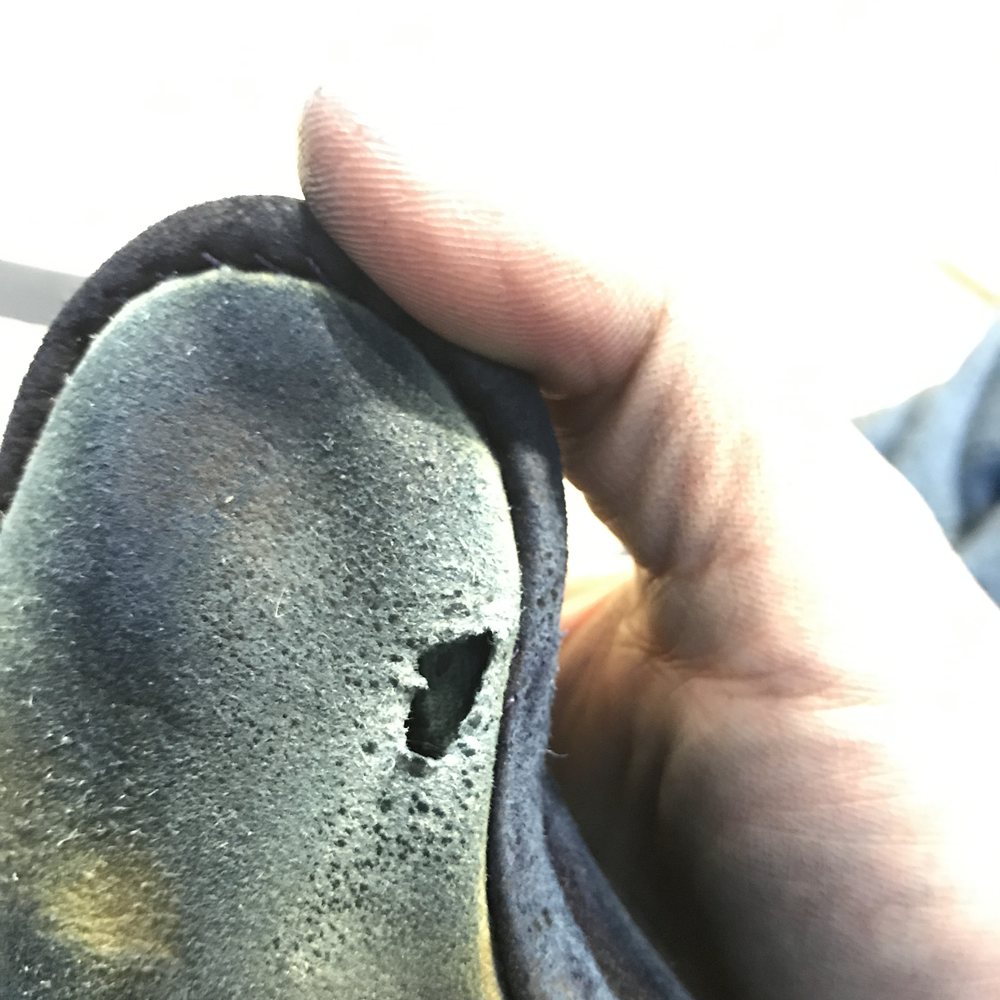
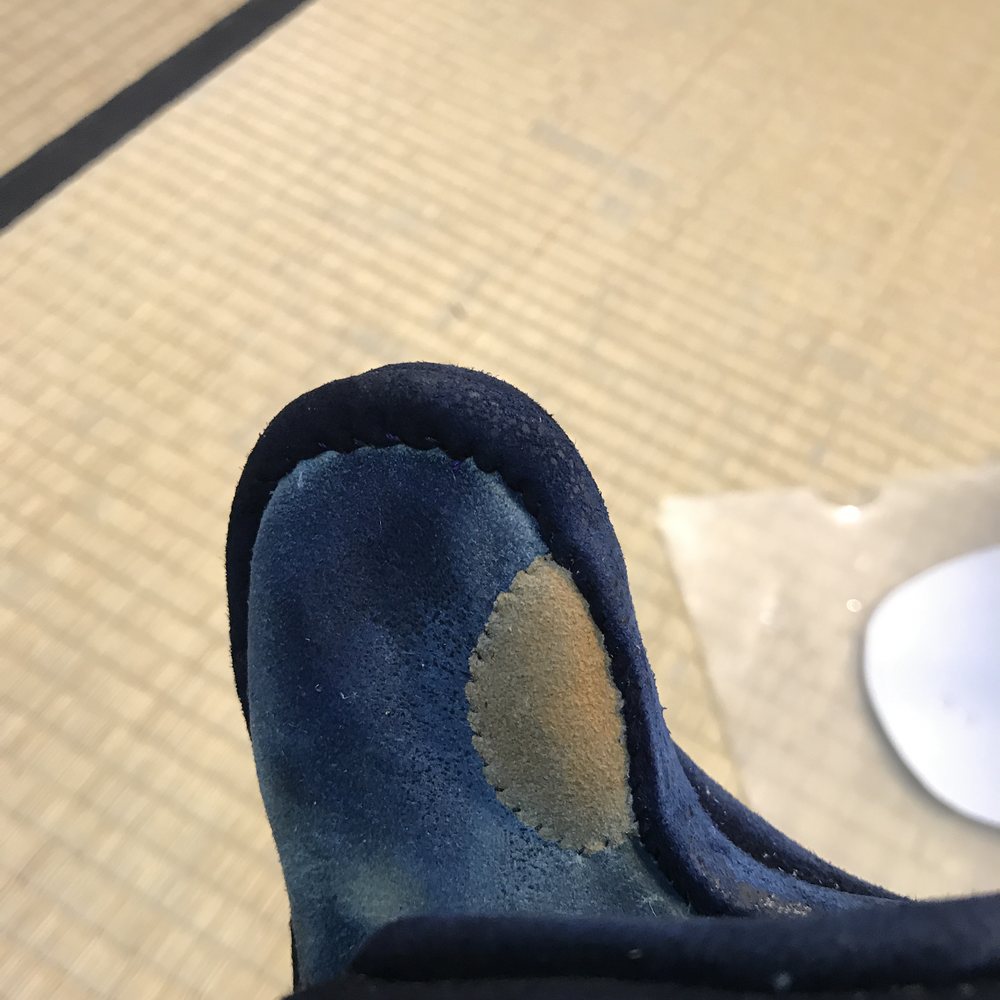
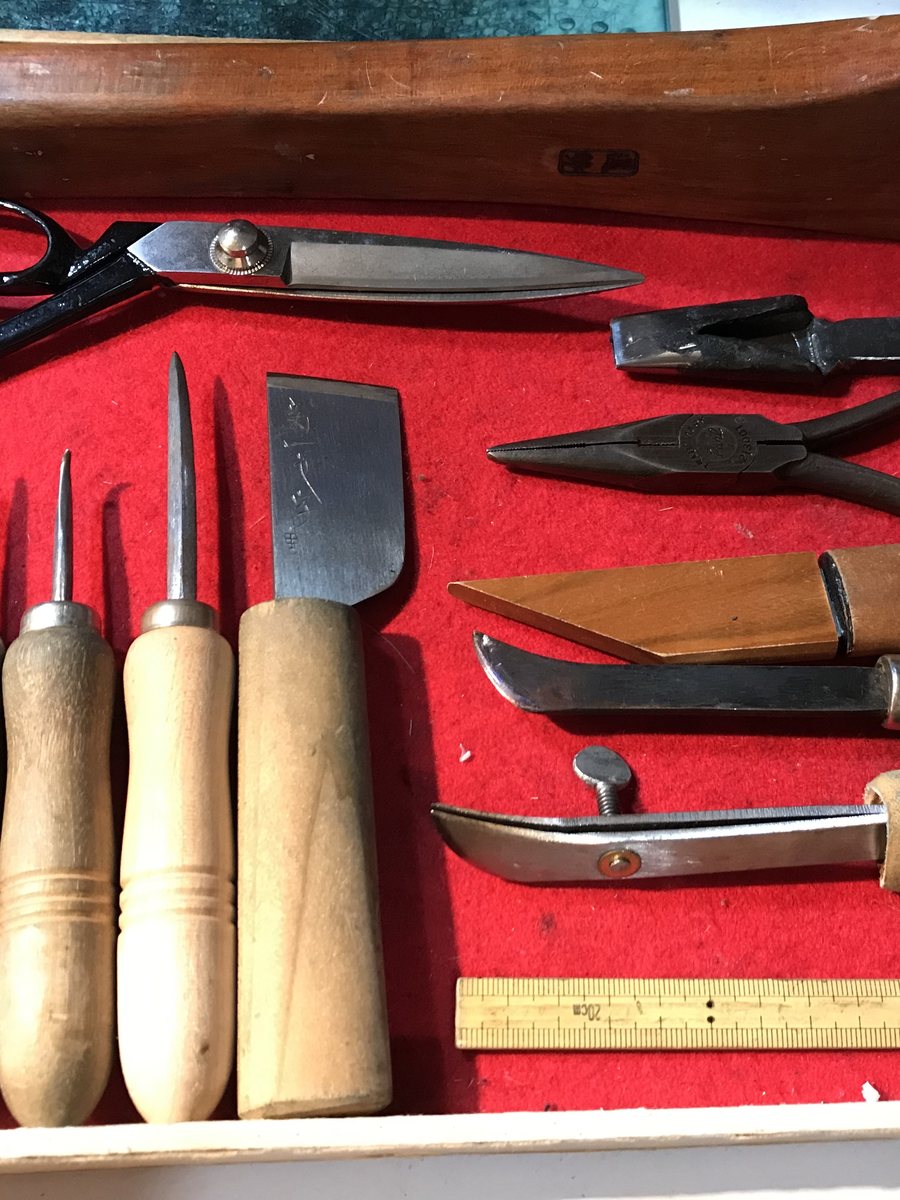
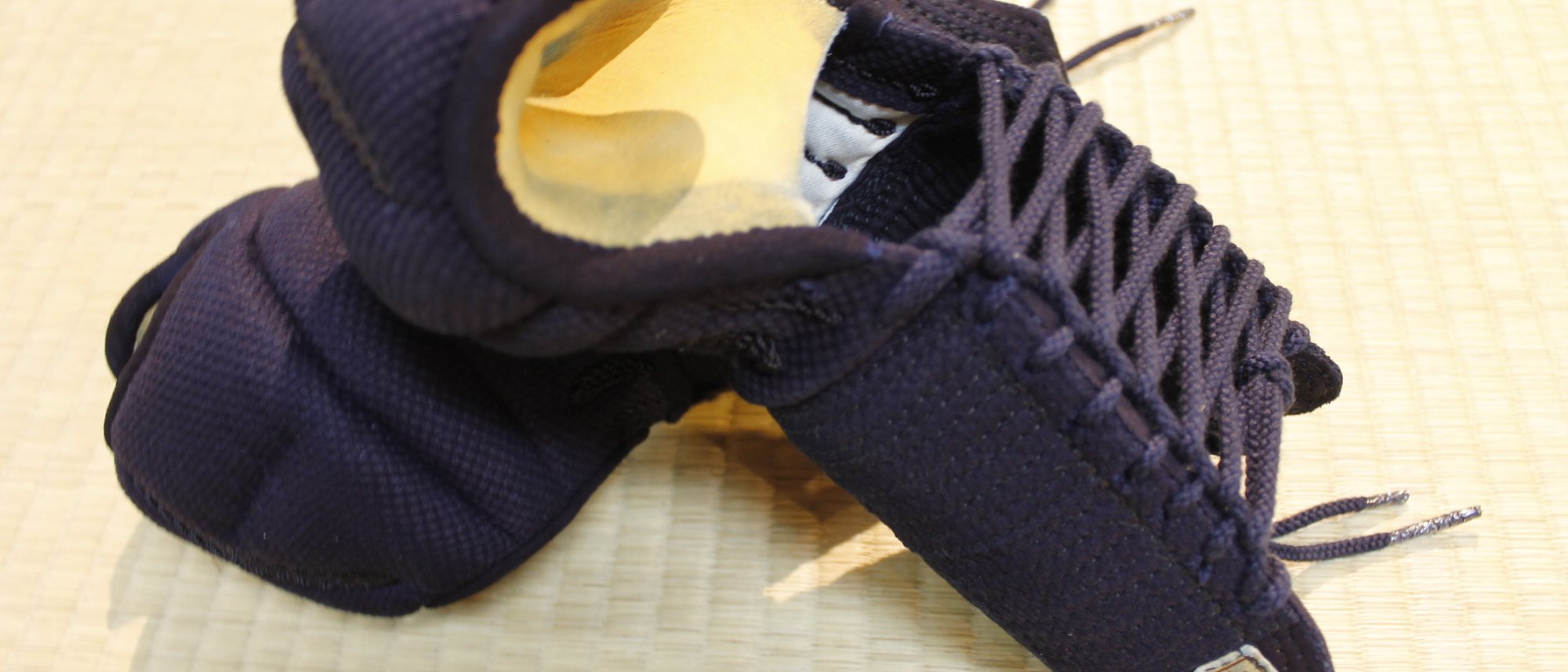
Until now, the craft of repairing and making kendo armour has almost never been taught in a structured way. People who want to learn have had nowhere to go. UNZEI-RYU turns that craft into education — so it can be learned anywhere in the world.
Protect the craft, protect kendo.
Mass production overseas has made bogu cheap. At the same time, in Japan and around the world alike, the pattern has become "buy cheap, replace instead of repair."
And it is the people wearing the armour who pay for it.
Fewer people can repair. Replacing becomes normal. Cheap armour spreads. Injuries rise, progress stalls, people leave the dojo — and less money than ever reaches the craft.
This loop has to be broken somewhere.
Preserving the craft does not mean growing one company. It means increasing the number of people around the world who understand the craft and can convey its value.
Never spare the extra step that serves the user. Not effort for its own sake, but effort that has real meaning for the person wearing the armour.
We do not preserve a method simply because it is traditional. If a better material or technique serves the user, we adopt it.
As cheap, poor-quality armour spreads, injuries follow, progress stalls, and people leave kendo. Increasing the number of people who can repair is how that changes.
The difference never shows in the obvious places. It shows where the wearer never looks. Why that extra step is needed — that is what the course teaches.


Workshops close, successors are not found, and the craftsmen who remain are getting older. For the next generation to exist, it has to be possible to make a living from the work — and the skill that takes is slow to build. Even those hired by a company may never get to do the work they wanted, and can spend a career in one position.
I built the school I wish had existed when I was learning repair and kote making.
Learning repair as part of training new staff deepens their understanding of bogu enormously.
And when you visit a dojo or a school, being able to fix something on the spot sets you apart — and is genuinely appreciated.
It also suits shops that want to train their own dedicated home-based workers. Once they learn the fundamentals here, you can hand them your repair and finishing work with confidence.
Have you ever wished someone at the dojo could handle a patch or a simple repair? Someone good with their hands often has a go, but the result is not quite the same as a professional's.
Making maintenance easy and ordinary is, I believe, one way to hold on to a kendo population that shrinks every year.
Learn to fix it before you replace it. Care takes less effort, and one set lasts far longer.
Once you can see how equipment is made, the next set you choose changes too.
The Foundation course comes first for everyone: preparing and using the tools, judging materials, and mamefuse repair. You cannot skip it and go straight to a part-specific course. Once you hold the Foundation certification, you are free to choose whichever part you want to repair.
In every course you learn not only how a repair is done, but why that method is chosen — the judgement behind it.


The entry course for everything else. Preparing and using the tools for kote repair, judging materials, setting up a place to work, and mamefuse — patching small holes. Certification from this course is required before any other course.
Learn to assess damage on the men and choose the right repair. Covers futon repair and uchiwa work.
Covers repair of the odare and kodare, and replacing the belt.
From removing the old tenouchi to fitting new leather. Covers leather selection, the shape of the tenouchi, and stitch tension.
Replacing the do-dai and do-mune, and the mounting of the chichigawa and cords. Covers taking a do apart and building it back up.
Make a full pair of kote from the pattern up. Covers material selection, cutting, sewing, and fitting the tenouchi. It builds directly on tenouchi work, so it is open to holders of the Kote Tenouchi Replacement certification.
Every course is taught online in a small group (5–6 students) and includes the practical examination and certification.
Sessions run on Saturdays and Sundays, 9:00–17:00 Pacific Time (Vancouver, BC, Canada).
Choose your date from the calendar on the application page to book. Your booking is confirmed when you pay (credit card).
The Foundation course is one 3-hour session including the examination. Kote Tenouchi Replacement is two 2-hour sessions, with the examination held on a separate day (2 hours).
Course fees are set in Canadian dollars, before tax. Any amount shown in Japanese yen is an estimate at that day's rate and is fixed at the rate on the day of payment.
For courses marked "coming soon", or if weekends do not suit you, please email us at the address at the bottom of this page.
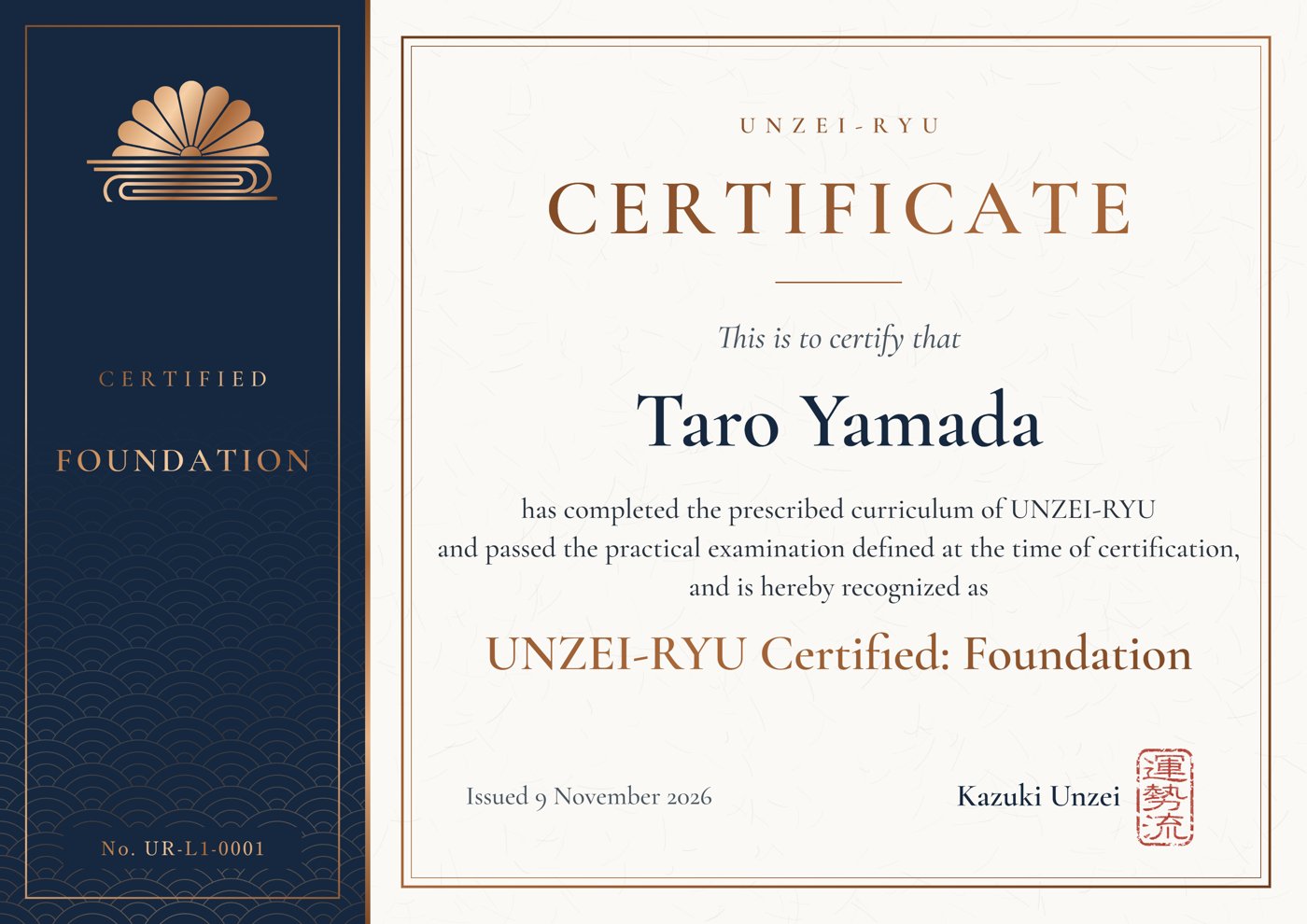
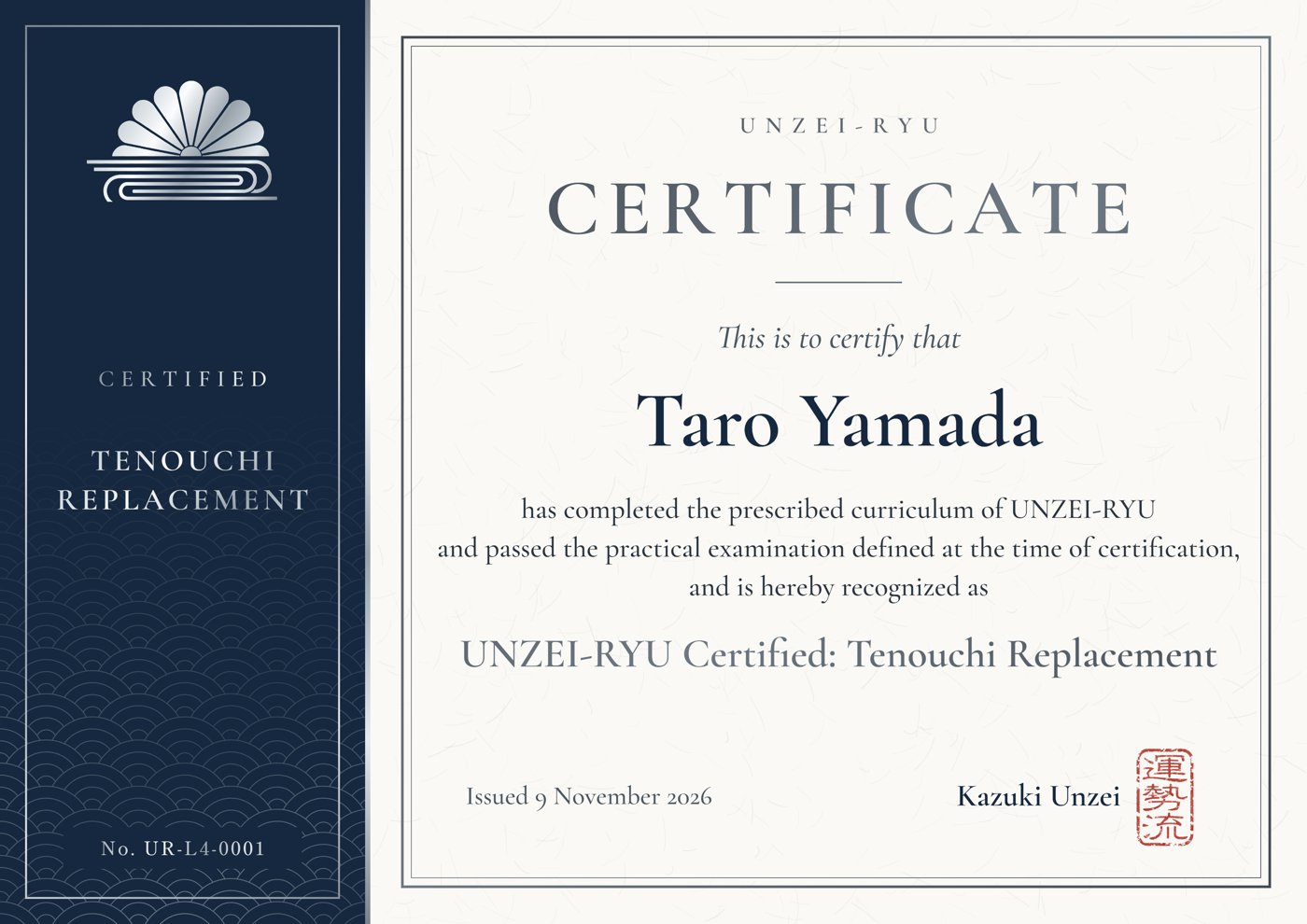
Only those who pass the practical examination may use a title such as UNZEI-RYU Certified: Foundation for the course they passed. Each certified craftsperson receives a certificate carrying a unique certification number.

Foundation course certificate (sample). It carries your name, certification number and date.

Kote palm replacement course certificate (sample). The colour changes with the course.
Certification confirms that the holder completed the prescribed UNZEI-RYU curriculum and passed the practical examination as defined at the time of certification. It is not a permanent guarantee of skill level or of the quality of any future work. Certified craftspeople are expected to continue building experience on their own.
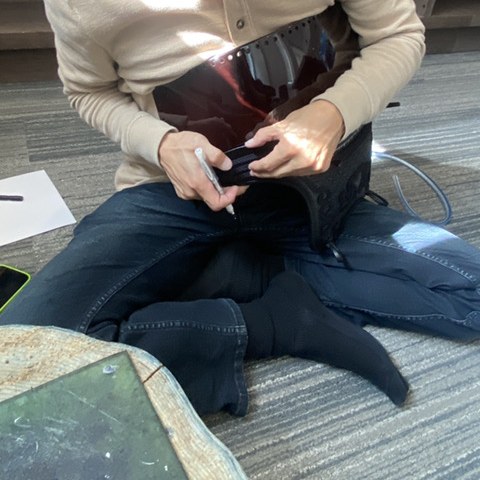
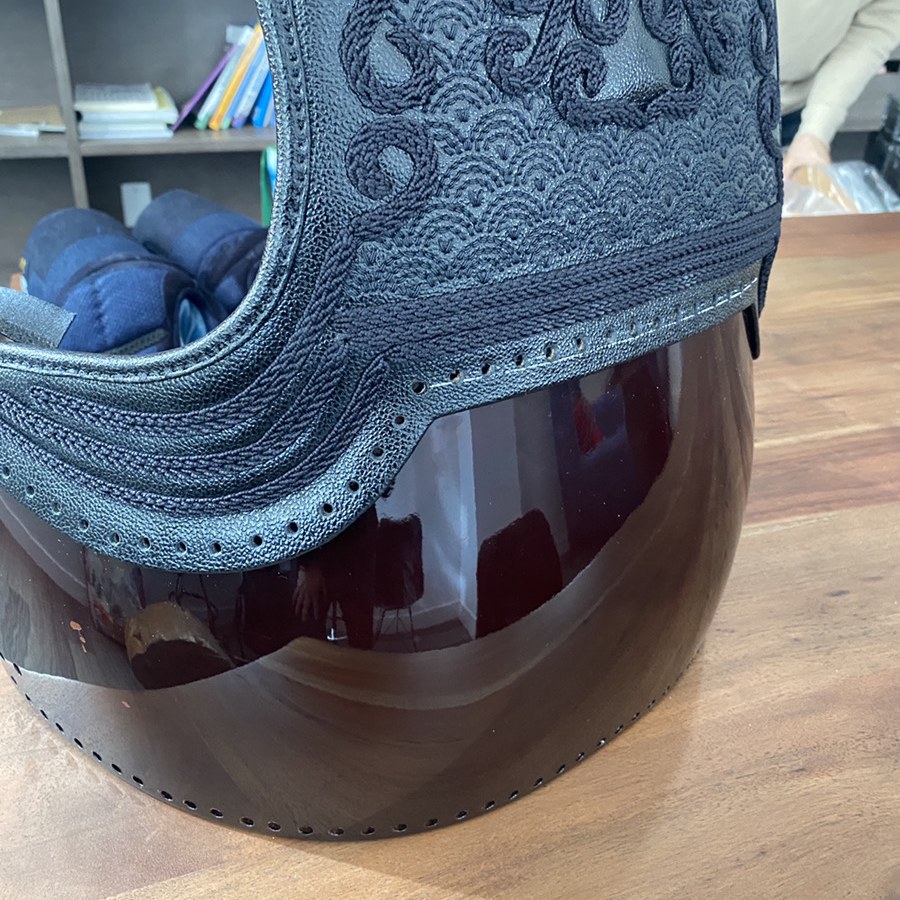
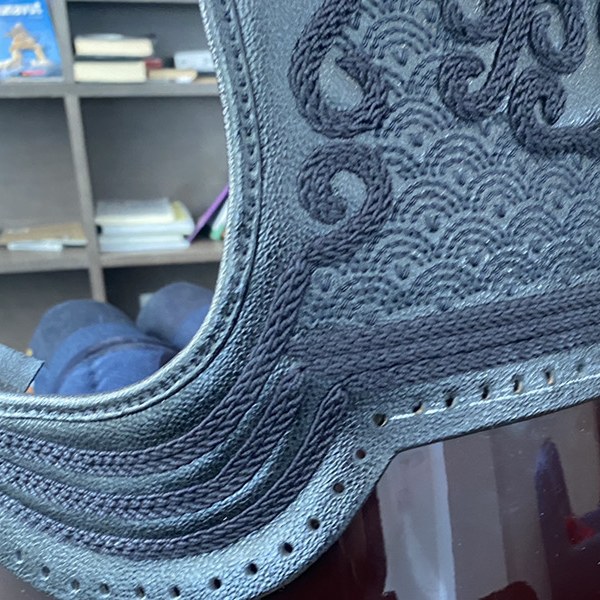
Fitting the chest section (mune) of a do onto the do-dai. The position of every hole is decided and checked one at a time. The same task, done in a different order or with a different tension, gives a different result. In the course you see each step as it happens — and hear why it is done that way.


There are craftsmen in the world with greater skill than mine. UNZEI-RYU does not claim to be "the finest craftsman in the world."
To give people who never had a place to learn a structured foundation in the craft.
That is the role of UNZEI-RYU — so that those who learn can put the craft to work in their own countries, and eventually form a network of craftspeople who exchange knowledge across the world.

Fourteen years in kendo equipment, since 2012: factory production, hand-stitching under a craftsman, serving customers in the shop, and selling and repairing bogu overseas. I teach every session myself.
Not required. But understanding how it feels to wear bogu will deepen what you learn.
Yes. Sessions are available in English as well as Japanese. Session times are given in Pacific Time (Vancouver, BC), and the calendar on the application page also shows them in your local time.
Yes. The list for your course is in the email we send after you book and pay. A starter kit is planned for the future.
You may retake it, up to three times. From the fourth retake, a retake fee set for each course applies. We will tell you the amount when we arrange your dates.
Let us know at least 3 days before the session and we will move you to another date at no charge. Cancellations on the day before or on the day itself cannot be accepted.
Refunds cannot be given once a session has started. If we have to cancel, you receive a full refund or a session on another date. See section 8 of the agreement for details.
No. Sessions run on Google Meet — just open the link we send you in your browser. It is free.
By credit card. After you apply, you go straight to the payment page.